新書推薦:

《
给孩子的安全教育漫画:防走失、防拐骗 少儿安全教育专家GY局长 让孩子全面掌握保护自己方法
》
售價:HK$
41.8

《
多头政体——参与和反对(汉译名著18)
》
售價:HK$
61.6

《
政治经济学(汉译名著18)
》
售價:HK$
127.6

《
国内外高句丽渤海墓葬研究文献目录
》
售價:HK$
198.0
《
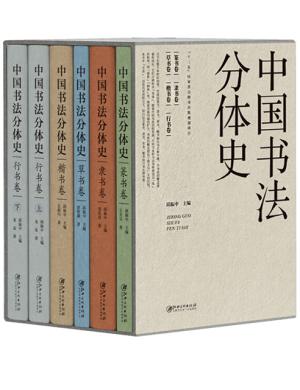
中国书法分体史(函套版)
》
售價:HK$
690.8

《
唐代官制:官吏体系与机构运行
》
售價:HK$
118.8

《
超简单的量子力学 波粒二象性 量子隧穿效应 不确定性原理 量子纠缠 一小时掌握描述微观世界本质规律的
》
售價:HK$
39.6

《
隋唐五代史(图文导读版)吕思勉历史著作集 精装 全2册
》
售價:HK$
250.8
|
| 編輯推薦: |
|
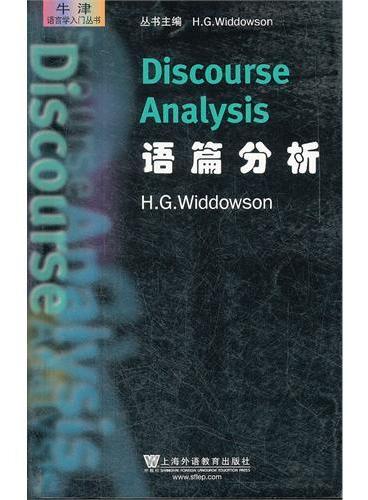
人们在对语言的特定细节进行剖析之前,应该对语言整体有个大致的了解。作为语言学研究方向的学生进行深入研究之前的热身阅读,《牛津语言学入门丛书》的主旨是为人们理解那些学术性强的语言学专著奠定理论基础。因为这套丛书浅显易懂,对那些感兴趣却并非专门从事语言研究的人进一步了解语言也大有裨益。威多森所著的《语篇分析》为其中一册。
|
| 內容簡介: |
|
《语篇分析》为“牛津语言学入门丛书”之一,丛书作者均为国际知名的语言学专家。语言学家认为在文学作品中或在日常生活中,人们用语篇表达含义。《语篇分析》介绍了有关语篇分析的关键概念,如语域、语篇类型、语料库等。
|
| 目錄:
|
Preface
SECTION I
Survey
1 Language in use
A sample of language
What is a text?
Text and discourse
Spoken and written text
Illustration from a crowded train
Conclusion
2 Communication
Grammar and communication
Three kinds of pragmatic meaning
Four aspects of communicative competence
Conclusion
3 Context
Conditions of language use
Context and shared knowledge
Text-activated context
Unshared contexts: illustration from a battlefield
Context and shared values
Conclusion
4 Schematic conventions
Context and situation
The concept of the schema
Frames of reference
Frames and cultural assumptions
Interpersonal routines
Adjacency pairs
Genres
Conclusion
5 Co-textual relations
Information structure
Text linkage
Anaphora and pro-forms
Cohesion
Cohesion and the least effort principle
Cohesion and coherence
Conclusion
6 The negotiation of meaning
Systemic and schematic knowledge
Communicative convergence
Negotiating convergence
The co-operative principle
The quantity maxim
Conversational implicature
The maxims of quality, relation, and manner
Co-operative and territorial imperatives
Conclusion
7 Critical analysis
Positioning
Terms of reference
Alternative wordings and persuasive purpose
Critical discourse analysis
Identifying the significance of textual choice
Implicatures and textual choice
Implicatures and grammatical choice
Conclusion
8 Text analysis
Actually attested language
Norms of usage
Patterns of collocation
Semantic prosodies
Conclusion: text analysis and discourse interpretation
SECTION 2
Readings
SECTION 3
References
SECTION 4
Glossary
Acknowledgements
|
|

 購物車/收銀台(0) | 在線留言板
| 付款方式
| 運費計算
| 聯絡我們
| 幫助中心 |
加入書簽
購物車/收銀台(0) | 在線留言板
| 付款方式
| 運費計算
| 聯絡我們
| 幫助中心 |
加入書簽 HOME
HOME 新書上架
新書上架 暢銷書架
暢銷書架