新書推薦:

《
海外中国研究·元代江南政治社会史研究
》
售價:HK$
118.8

《
加密货币突破数字边界
》
售價:HK$
75.9

《
养元筑基调气血
》
售價:HK$
76.8
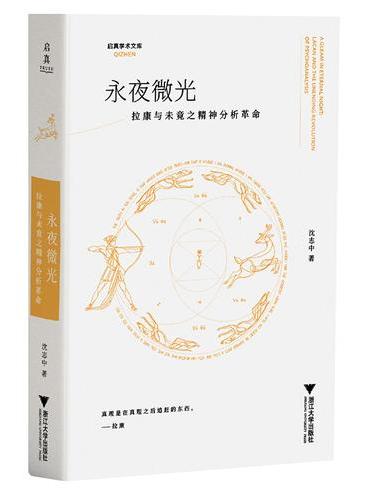
《
永夜微光:拉康与未竟之精神分析革命
》
售價:HK$
129.8
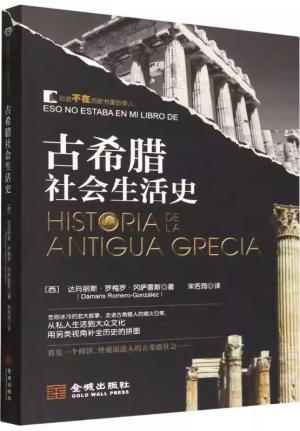
《
古希腊社会生活史
》
售價:HK$
54.8

《
维特根斯坦传
》
售價:HK$
63.8

《
暮日耀光:张居正与明代中后期政局
》
售價:HK$
206.8
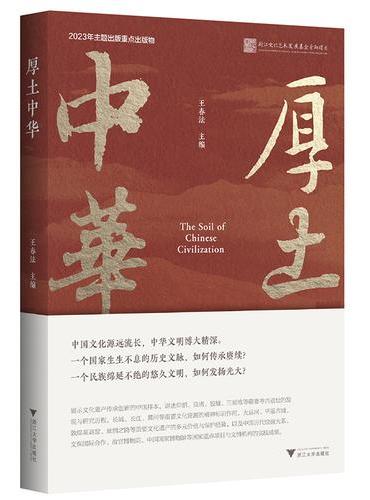
《
厚土中华
》
售價:HK$
107.8
|
| 編輯推薦: |
《如何提问》为思想者指南系列丛书中的一本,属于该系列下的大众篇,供广大读者使用。《如何提问》一书
的主要内容为如何让提问更有效、更一针见血,以此帮助读者提高提问的能力和效率,让他们的日常沟通及工作更
顺利有效。
|
| 內容簡介: |
|
《如何提问》为思想者指南系列丛书中的一本,属于该系列下的大众篇,供广大读者使用。《如何提问》一书的主要内容为如何让提问更有效、更一针见血,以此帮助读者提高提问的能力和效率,让他们的日常沟通及工作更顺利有效。
|
| 關於作者: |
|
Linda Elder:教育心理学专家、思辨研究专家,在美国多所大学任教,主要教授课程为教育心理学、思辨能力培养;思辨研究协会会长、思辨中心执行主任。Richard Paul:思辨研究专家,国际思辨研究运动主要负责人,已发表200余篇与思辨研究相关的论文、出版11部论述思辨研究的著作。
|
| 目錄:
|
Letter to the Reader..........iii
Introduction: The Power of Essential Questions..........1
Part One: Analytic Questions..........3
Questioning the Structure of Thinking..........3
Three Kinds of Questions..........6
Asking One System, No System, and Conflicting System Questions..........7
Questioning Dogmatic Absolutism and Subjective Relativism..........8
Questioning Concepts..........9
Conceptual Tools for Conceptual Questions..........11
Questioning Data, Information, and Experience..........13
Questioning Questions: Identifying Prior Questions..........14
Asking Complex Interdisciplinary Questions..........15
Interdisciplinary Questions: An Example..........16
Questioning in Decision-Making and Problem-Solving..........17
Guidelines and Guideline Questions for Effective Problem-Solving..........19
Part Two: Evaluative Questions..........20
Determining Value, Merit, and Worth..........20
Evaluating Reasoning Overall..........21
Evaluating Reasoning The Parts..........23
Questioning Clarity and Precision..........24
Questioning as We Read..........25
Questioning as We Write..........26
Asking Ethical Questions..........27
Questioning Bias and Propaganda..........30
Part Three: Questioning Within Academic Disciplines..........32
Questioning the Fundamental Logic of Academic Disciplines..........32
Applying the Elements of Reasoning to Questioning Within a Discipline..........34
Questioning the Status of Disciplines..........35
Questioning to Understand the Foundations of Academic Disciplines..........36
Part Four: Questioning for Self-Knowledge and Self-Development..........39
Questioning Ourselves as Learners..........39
Questioning Our Egocentrism..........41
Questioning Our Sociocentrism..........43
Questioning to Develop Intellectual Dispositions..........44
Socratic Thinking Is an Integrated, Disciplined Approach to Thinking..........4
|
|

 購物車/收銀台(0) | 在線留言板
| 付款方式
| 運費計算
| 聯絡我們
| 幫助中心 |
加入書簽
購物車/收銀台(0) | 在線留言板
| 付款方式
| 運費計算
| 聯絡我們
| 幫助中心 |
加入書簽 HOME
HOME 新書上架
新書上架 暢銷書架
暢銷書架









