新書推薦:
《
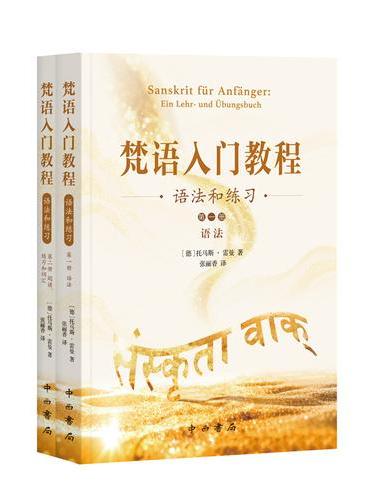
梵语入门教程:语法和练习(全二册)
》
售價:HK$
294.8
《
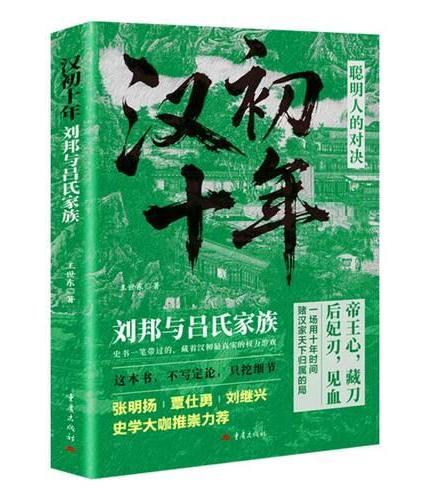
汉初十年 刘邦与吕氏家族 32幅图表清晰标注关键战役人事布局
》
售價:HK$
60.5
《
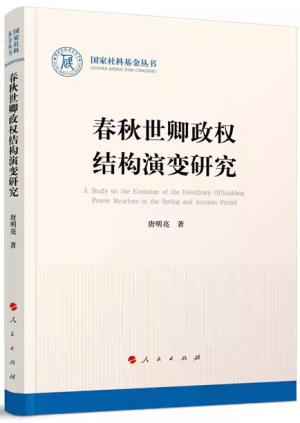
春秋世卿政权结构演变研究
》
售價:HK$
85.8

《
幸福家庭的法律密码
》
售價:HK$
74.8
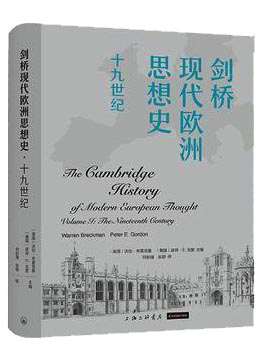
《
剑桥现代欧洲思想史·十九世纪
》
售價:HK$
130.9
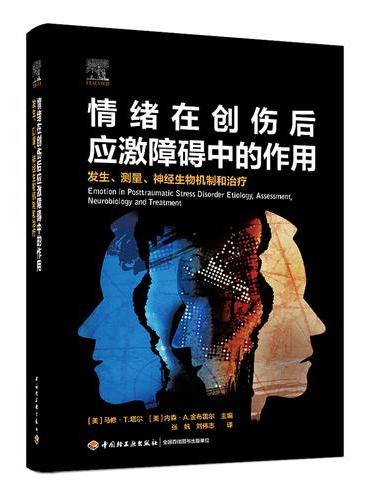
《
情绪在创伤后应激障碍中的作用:发生、测量、神经生物机制和治疗
》
售價:HK$
140.8
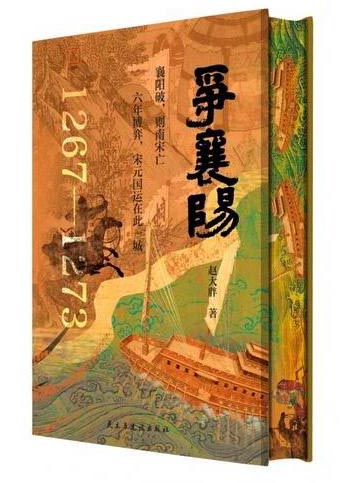
《
争襄阳:宋元国运之战
》
售價:HK$
96.8

《
不可思议的国度 日本动画电影80年
》
售價:HK$
206.8
|
| 內容簡介: |
|
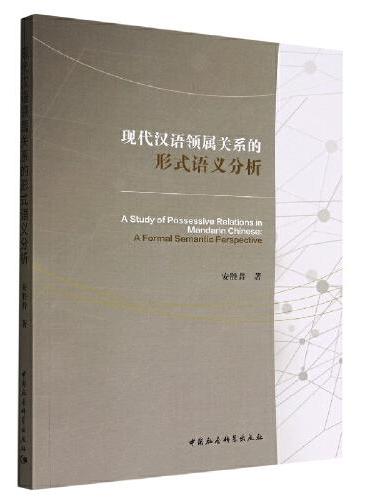
本书所采用的形式化的分析手段使得领属的分类更具有操作性。形式化手段所分出来的领属关系分类边界清晰,能够覆盖更多的语言事实,并具有一定的可预测性。事件结构的分析,使得领属关系的方向性以及领属关系的产生,相互依赖及互动能够呈现得更为清晰。句法层面的领属关系是能够通过事件结构来呈现并进行相应形式化的描写。本书结合类型论,算子等形式语义学手段对领属结构进行逻辑语义的刻画以及句法语义同步的推导,对领属关系所做的形式化分析概括性更强,分类也更加合理清晰,事件结构的分析方法对结构中的领属关系具有更强的解释力。
|
| 關於作者: |
|
安胜昔,女,广东海洋大学外国语学院讲师,2016年毕业于北京语言大学外国语言学及应用语言学专业,师从吴平教授,获得文学博士学位,研究方向为理论语言学、语义语用接口、英语教学法。公开发表《话题引入领属关系的事件语义分析》等论文多篇,主持或参与“基于语言经济学的新疆少数民族外语人才培养研究”等各级课题多项。
|
| 目錄:
|
Chapter One
Introduction
1.1 Research objectives
1.2 Properties in Common
1.3 Organization of the book
Chapter Two
Literature Review
2.1 Possessive Relation in Mandarin Chinese
2.2 Existential Construction
2.3 PSPO Construction
2.4 Passive DPC
2.5 Topic Construction
2.6 Double Object Construction
2.7 Summary
Chapter Three
Theoretical Framework and Relevant Notions
3.1 Event Semantics
3.2 Theory of Predication
3.3 Application of Event in Analyzing Possession
3.4 Possessive Relation Illustrated in Wu Ping (2014)
3.5 Summary
Chapter Four
Possessive Relation Triggered by Relational Nouns
4.1 Inalienable possession
4.2 Type-raising analysis
4.3 Extended Logic Semantic Analysis
4.4 Summary
Chapter Five
Possessive Relation Introduced by Verb Frame
5.1 Possessive relation in DOC
5.2 Depriving-type Double Object Construction
Chapter Six
The Possessive Relation Triggered by Construction
6.1 Properties of the Possessor to be the Topic
6.2 Topic Construction
6.3 Disappearing-type Existential Construction
6.4 Possessor Subject and Possessum Object Construction
6.5 Passive DPC
6.6 Summary
Chapter Seven
Constructions with complex possession
7.1 Multi-element triggered possessive relation
7.2 Relational nouns in disappearing-type Existential Construction
7.3 Relational nouns in Topic Construction
7.4 BA construction with possessive relation
7.5 Summary
Chapter Eight
Semantic and Pragmatic Interpretation of Possession
8.1 DPCs& basic possessive form
8.2 Subjectivity and possessive constructions
8.3 Subjectivity and preference over possessive constructions
8.4 Summary
Chapter Nine
Conclusive Remarks
9.1 Important and innovative features of the research
9.2 Further questions
References
Epilogue
|
|

 購物車/收銀台(0) | 在線留言板
| 付款方式
| 運費計算
| 聯絡我們
| 幫助中心 |
加入書簽
購物車/收銀台(0) | 在線留言板
| 付款方式
| 運費計算
| 聯絡我們
| 幫助中心 |
加入書簽 HOME
HOME 新書上架
新書上架 暢銷書架
暢銷書架